Hurricane Season Home Prep Checklist for Bay County: Plumbing, AC, and Electrical
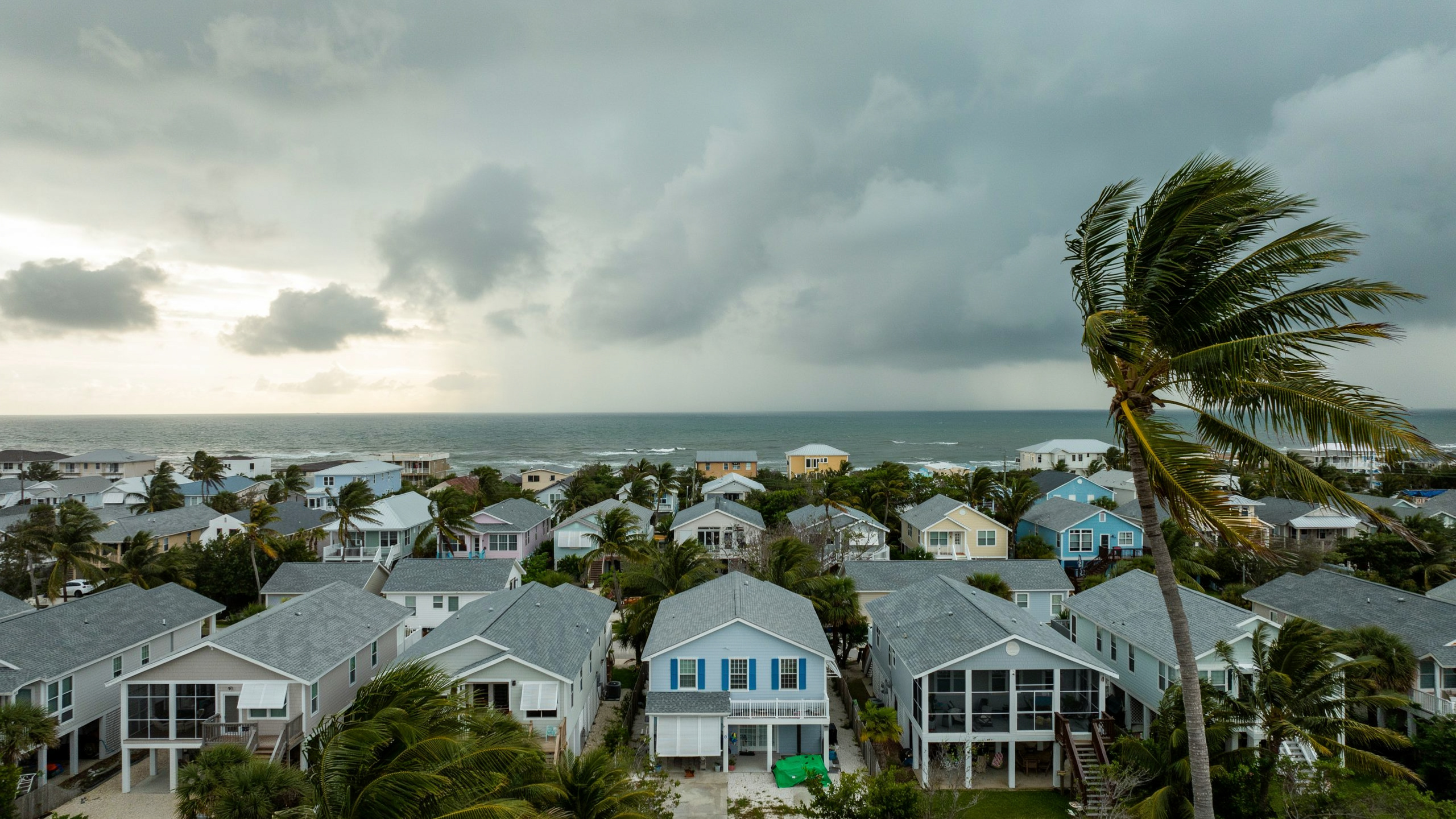
Living on the Gulf Coast means living with hurricane season, June through November, every single year. Most Bay County homeowners have the basics down: water, batteries, a stocked pantry. What gets overlooked is the home itself, specifically the three systems that keep it livable and that storms hit hardest: plumbing, air conditioning, and electrical.
A little preparation across those three areas protects your property, keeps your family safer, and makes the days after a storm far less miserable. This is your complete hurricane prep checklist, organized by system, plus what to do before, during, and after the storm. Bookmark it now, while the skies are clear.
Start before the cone shows up
The most important rule of storm prep: do it early. When a system is named and the forecast cone points at the Panhandle, stores empty out, contractors book solid, and the work you meant to do becomes the work you cannot get done.
Use the calm part of the season to handle anything that needs a professional, like a generator install, a surge protection system, or an AC tune-up. Save the quick, day-before tasks for when a storm is actually approaching. And throughout the season, keep an eye on the official forecast from the National Hurricane Center rather than social media chatter, and review the broader readiness guidance at Ready.gov’s hurricane page.
Here is how to break the work down across your home’s three core systems.
Plumbing prep
Storms bring water, and your plumbing system is both vulnerable to it and useful during it.
Protect against backflow and flooding
Heavy rain and storm surge can overwhelm sewer systems and push wastewater back into your home through low drains. If your property has flooded before, ask a plumber about backflow prevention or backwater valves. These devices let water out but not back in, and they are far cheaper than cleaning up a sewage backup.
Store water before you need it
If you have any warning, fill bathtubs and large containers with water. Tub water is for flushing toilets and cleaning, not drinking. Set aside bottled or stored drinking water separately. If you are on a well, remember that no power means no pump, so stored water becomes essential.
Know your main shutoff
Find your main water shutoff valve now and make sure it turns freely. If a pipe breaks during the storm, shutting off the main quickly can prevent serious flooding. Everyone in the household old enough to help should know where it is.
Secure the water heater and outdoor plumbing
Make sure your water heater is properly strapped and stable. Bring in or secure outdoor items connected to hose bibs, and know how to shut off any exterior water features. If your water heater is older or already showing trouble signs, the calm season is the time to address it rather than during a post-storm scramble.
AC and HVAC prep
Your air conditioner is one of the most expensive systems in your home and one of the most exposed to storm damage. After a Gulf Coast storm, getting cool air back is often the difference between a tolerable recovery and a brutal one.
Secure or protect the outdoor unit
The outdoor condenser cannot be moved, but it can be protected. Make sure it is bolted to its pad, clear loose debris and yard items from around it that could become projectiles, and consider a manufacturer-approved cover only if the unit will be off. Never run the system with a cover on.
Turn it off when the storm hits
When severe weather arrives, shut the AC off at the thermostat and at the breaker. This protects the system from the power surges and flickers that come with storm-related grid problems, which are a leading cause of compressor and electrical damage.
Do not restart a flooded unit
If your outdoor unit was submerged or sat in standing water, do not turn it back on. Floodwater damages electrical components and contaminates the system, and powering it up can cause further damage or create a hazard. Have it inspected by a technician first.
Add surge protection
A whole-home surge protector and a dedicated HVAC surge device guard your AC against the voltage spikes that follow outages. Given how storm-prone our grid is, this is one of the higher-value protective upgrades you can make, and it ties directly into your electrical prep below.
Electrical prep
Power is the system you will miss most, and electrical hazards are among the most dangerous parts of any storm aftermath.
Install whole-home surge protection
Lightning and the on-off cycling of a storm-stressed grid send damaging surges through your home’s wiring. A whole-home surge protector installed at the panel defends every circuit and the appliances on them. It is a modest investment that can save thousands in fried electronics and equipment.
Plan your backup power the right way
If you rely on a generator, plan it before the storm, not during. A whole-home standby generator with an automatic transfer switch is the safest, most seamless option, and it must be installed by a licensed professional. If you use a portable generator, run it outdoors only, well away from windows and doors, and never plug it directly into a wall outlet, which can backfeed the grid and endanger utility crews.
Inspect your panel and know your shutoff
Make sure your electrical panel is labeled, accessible, and in good condition. Know how to shut off power to the whole house and to individual circuits. If your panel is old, corroded, or frequently tripping, have it evaluated before the season is in full swing. Salt air is hard on electrical components here, which makes periodic inspection more important than it is inland.
Charge and prepare
Before a storm arrives, charge phones, battery banks, and any medical devices. Keep flashlights and battery lanterns accessible, and skip candles, which are a fire risk during the chaos of a storm.
Build your emergency kit and water supply
Beyond the home’s systems, a basic kit carries you through the first days. Stock at least one gallon of water per person per day for several days, non-perishable food, a manual can opener, medications, first-aid supplies, batteries, a battery or hand-crank radio, cash, and copies of important documents in a waterproof bag. If anyone in your home depends on powered medical equipment, your backup power plan needs to account for it specifically.
After the storm: a safe restart checklist
Recovery has its own hazards, and rushing it causes injuries and damage. Work through your systems carefully.
- Watch for downed power lines and assume every line is live. Keep your distance and report them.
- Do not enter standing water that may be in contact with electrical outlets, panels, or appliances.
- Leave flooded systems off. Do not restart an AC, water heater, or any electrical equipment that was submerged until a professional inspects it.
- Check for gas odors. If you smell gas, leave immediately and call from a safe distance.
- Restore power gradually. When the grid returns, turn major systems back on one at a time rather than all at once to avoid overloading.
- Inspect before full use. Look for water damage, listen for unusual sounds, and call a licensed pro if anything seems off rather than risking it.
When something needs professional eyes, a single call to an all-trades team means your plumbing, AC, and electrical can be checked together rather than juggling three separate contractors during the busiest week of the year.
Frequently asked questions
How do I prepare my house for a hurricane?
Work through your three core systems. For plumbing, store water, locate your main shutoff, and address backflow risk. For AC, secure and power down the outdoor unit. For electrical, add surge protection and plan backup power. Then stock an emergency kit and review the official forecast. Do the professional work early in the season.
Should I turn off my water and power during a hurricane?
Turn your AC off at the breaker when severe weather hits to protect it from surges. Know where your main water and electrical shutoffs are in case of a pipe break or electrical hazard. If flooding is likely or you are evacuating, shutting off the main water and power to the home is a smart precaution.
Can I run my AC after a hurricane?
Only if it was not flooded or submerged. If the outdoor unit sat in standing water, do not turn it on. Floodwater damages electrical components and contaminates the system, and running it can worsen the damage or create a hazard. Have it inspected by a technician before restarting.
Do I need a whole-home surge protector in Florida?
It is one of the most worthwhile protections for a storm-prone home. Lightning and grid instability send damaging surges through your wiring, and a panel-mounted surge protector defends every circuit and the appliances connected to it. It is a small cost relative to replacing fried electronics and equipment.
When should I start preparing for hurricane season?
Now. Handle anything that requires a professional, such as generator installation, surge protection, or system tune-ups, early in the season while contractors and supplies are available. Save quick tasks like filling water containers for when a specific storm is approaching.
One local team for all three systems
Storm prep touches your plumbing, your AC, and your electrical system, which is exactly why it helps to have one trusted, local, all-trades team handling the work. Whether you want surge protection installed, a generator assessment, an AC tune-up before the season peaks, or a post-storm inspection, we are here for Bay County homeowners year-round and around the clock.
Call Frank Wood & Son Services at (850) 234-2168 to get your home storm-ready.
Explore our plumbing, air conditioning, and electrical services in Panama City Beach, or request a quote and we will help you build a plan before the next storm.